
02 · Tool · Shipped
KinoGlyph
A tool that turns a video into looping American Standard Code for Information Interchange (ASCII) art, driven by optical flow.
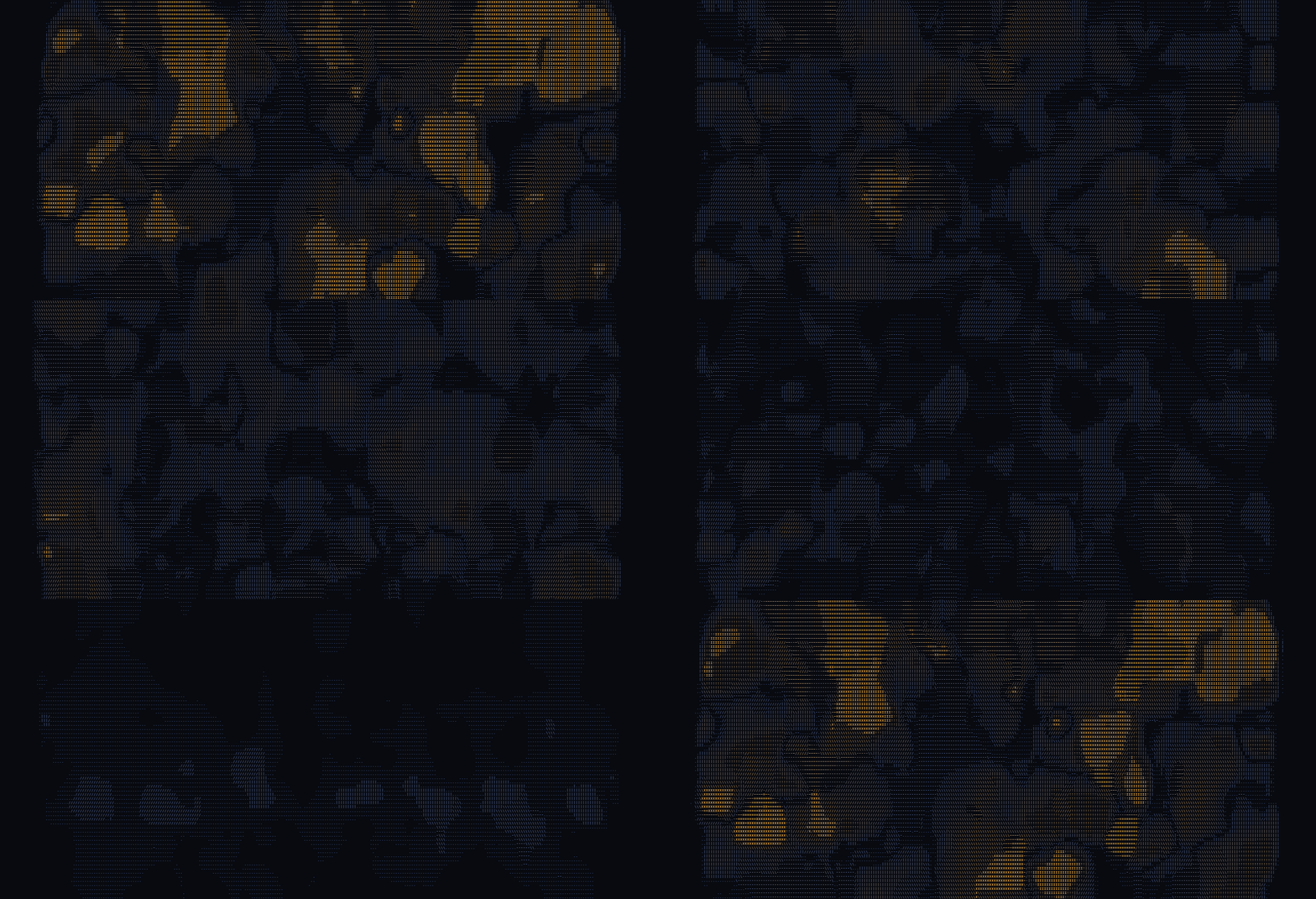
KinoGlyph is a Claude Code skill that turns a video into looping ASCII art driven by optical flow, the per-pixel motion field between frames. The result reads as choreography: each character represents the direction and intensity of motion at that location, abstracted from the original footage but preserving the way it moved.
The pipeline runs in five stages: frame sampling, optical flow computation, anchor selection, sequencing, and ASCII rendering. It produces a seamlessly looping Moving Picture Experts Group 4 (MP4) or Graphics Interchange Format (GIF) file. Anchors are peaks in the smoothed motion timeline. The script cross-fades between them with a smoothstep weight, an S-shaped curve, so the loop seams back into itself without any hard cuts.
The point is the abstraction: the output captures the motion of the source the way a contact print captures the gesture of a hand.
A native Mac app is in progress. It is a variant studio and live darkroom, built on a full port of the KinoGlyph engine to Swift and Metal. The port is checked against the Python script, and every stage after optical flow must match it bit for bit.
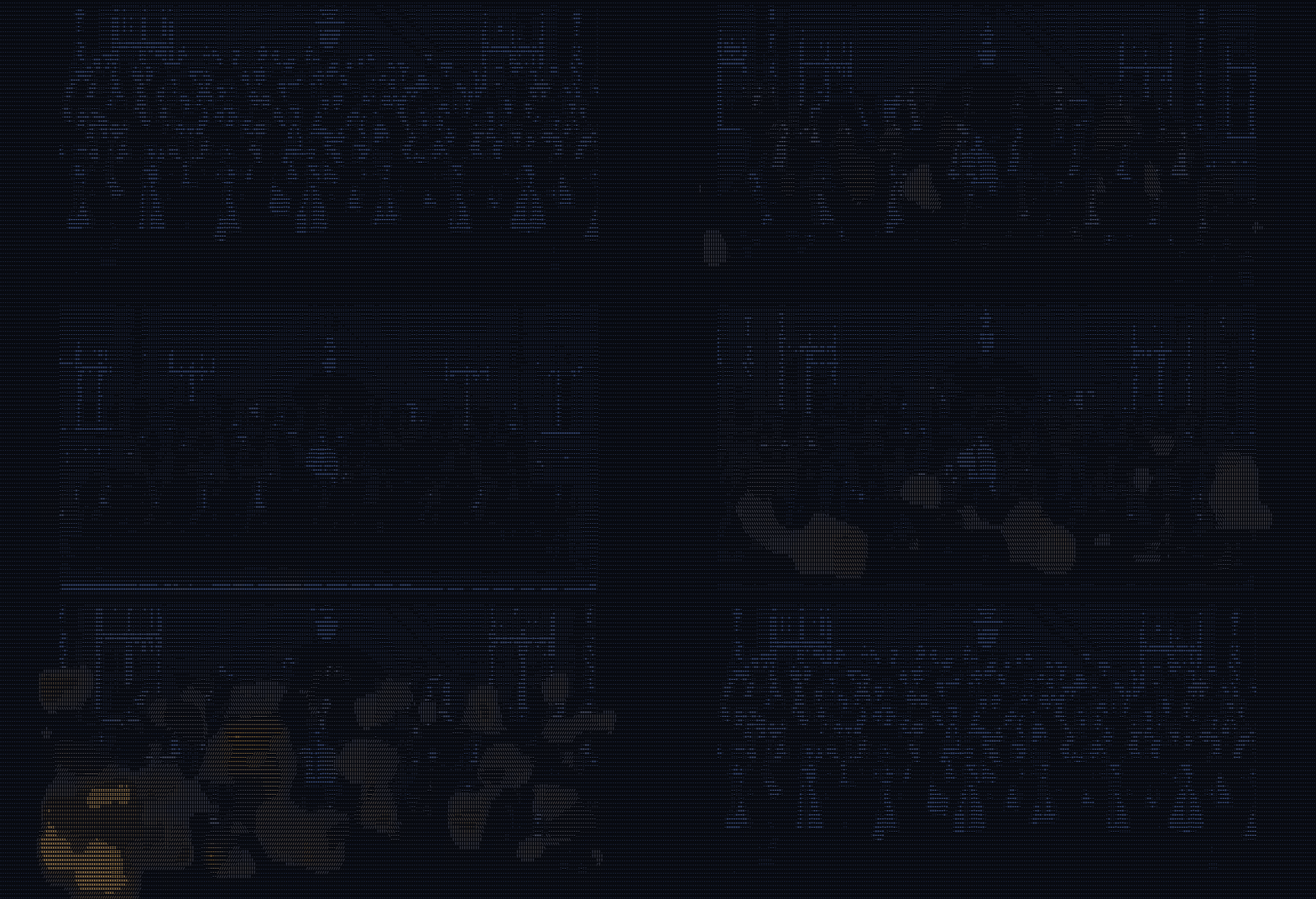
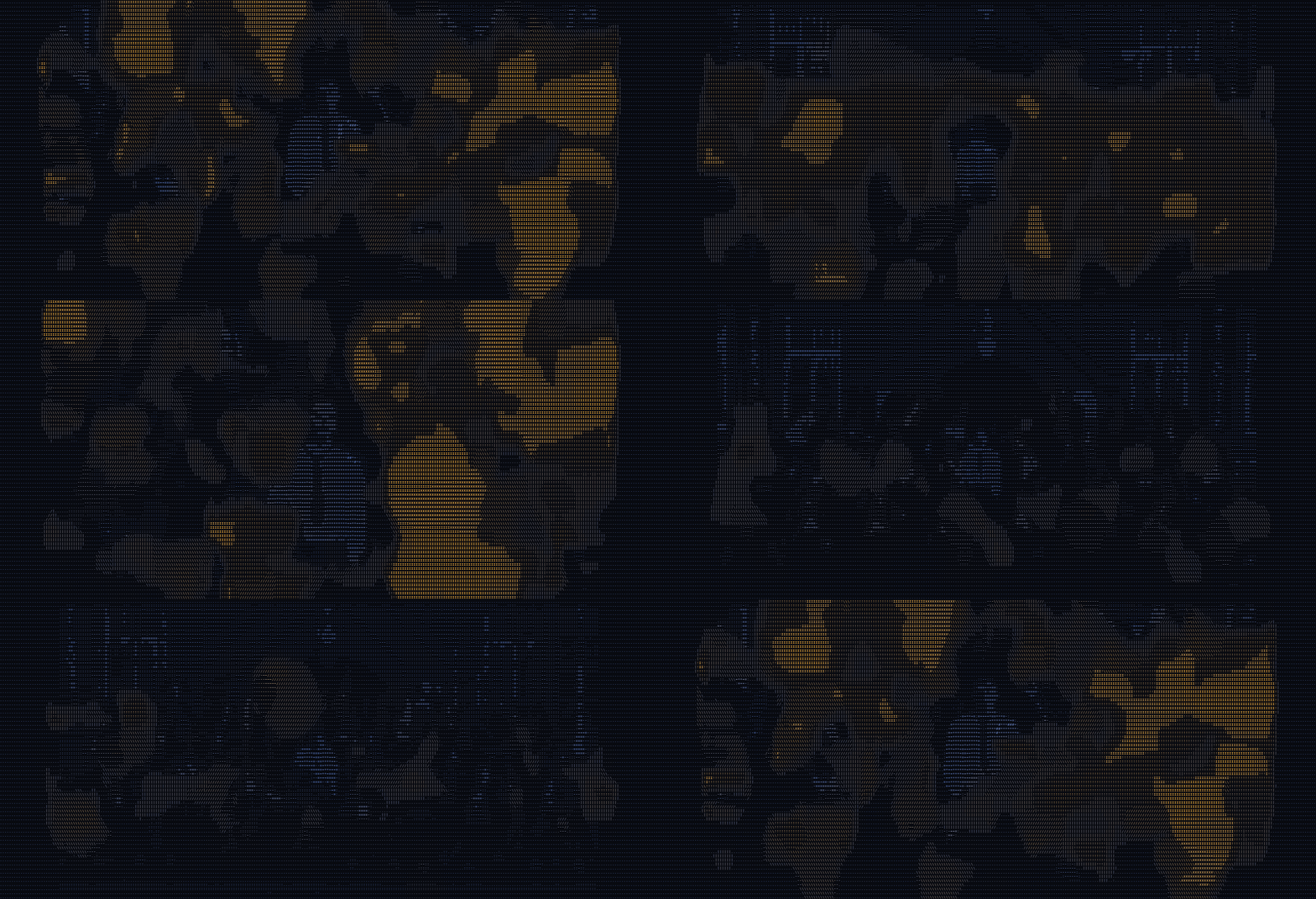
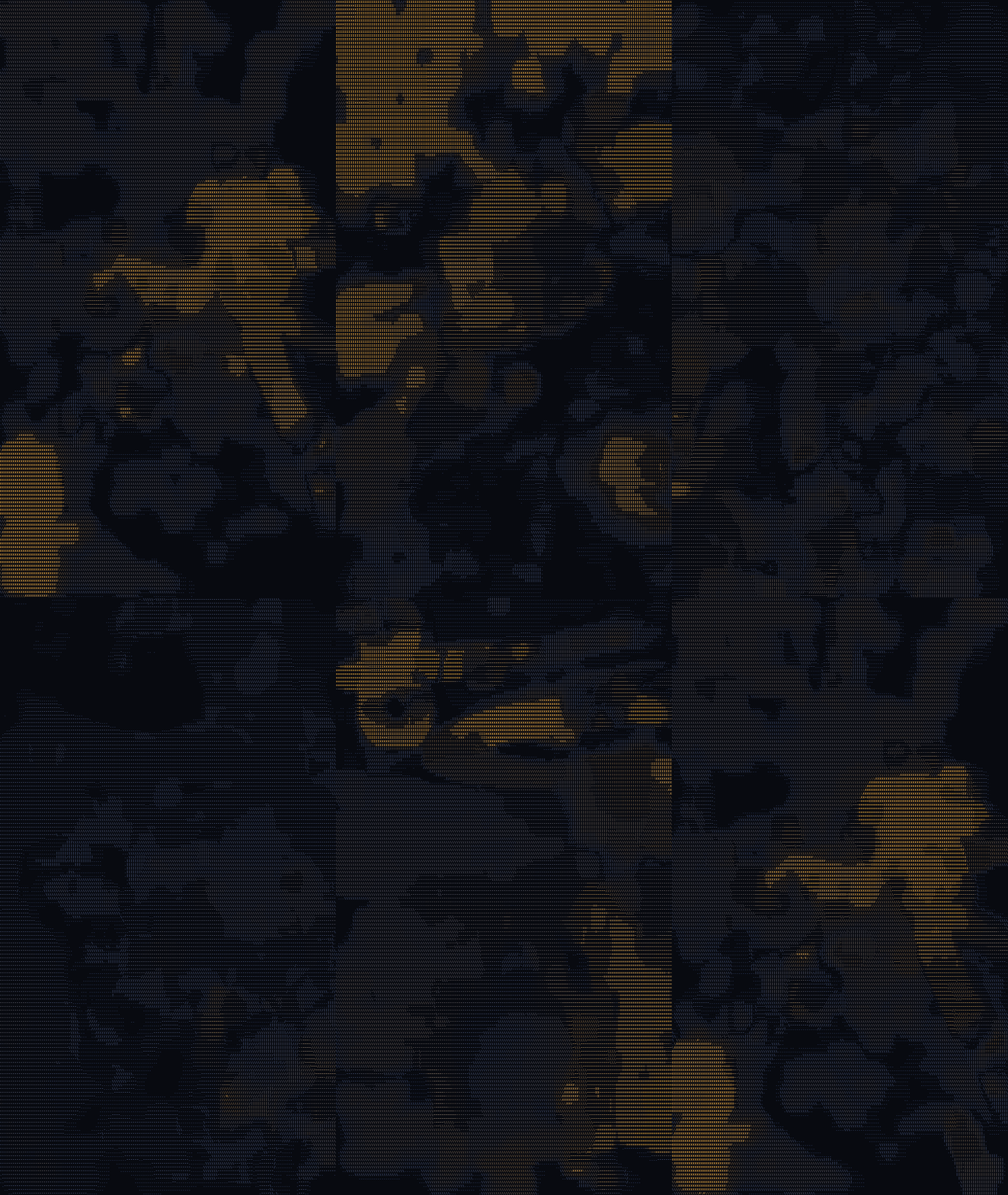
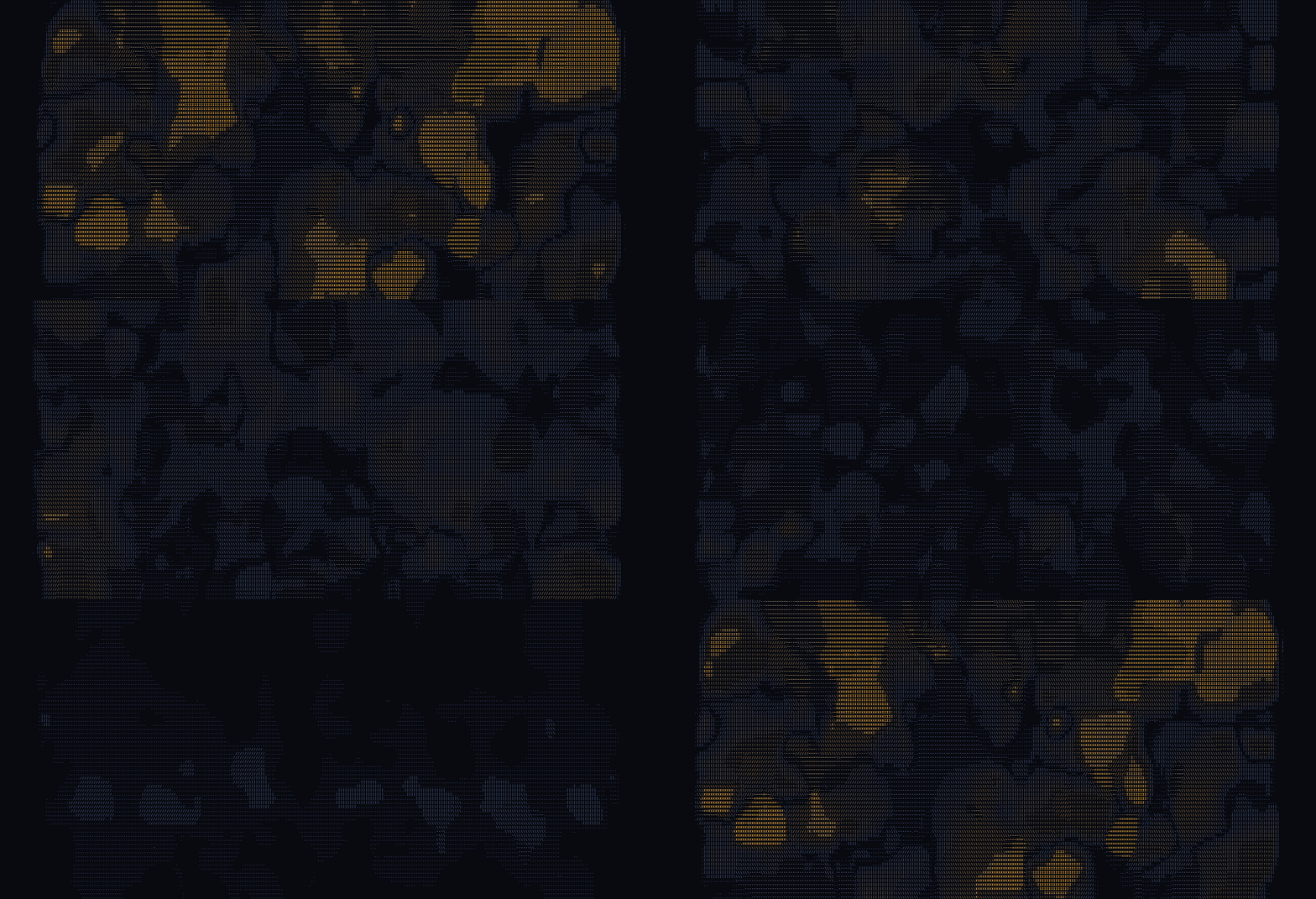
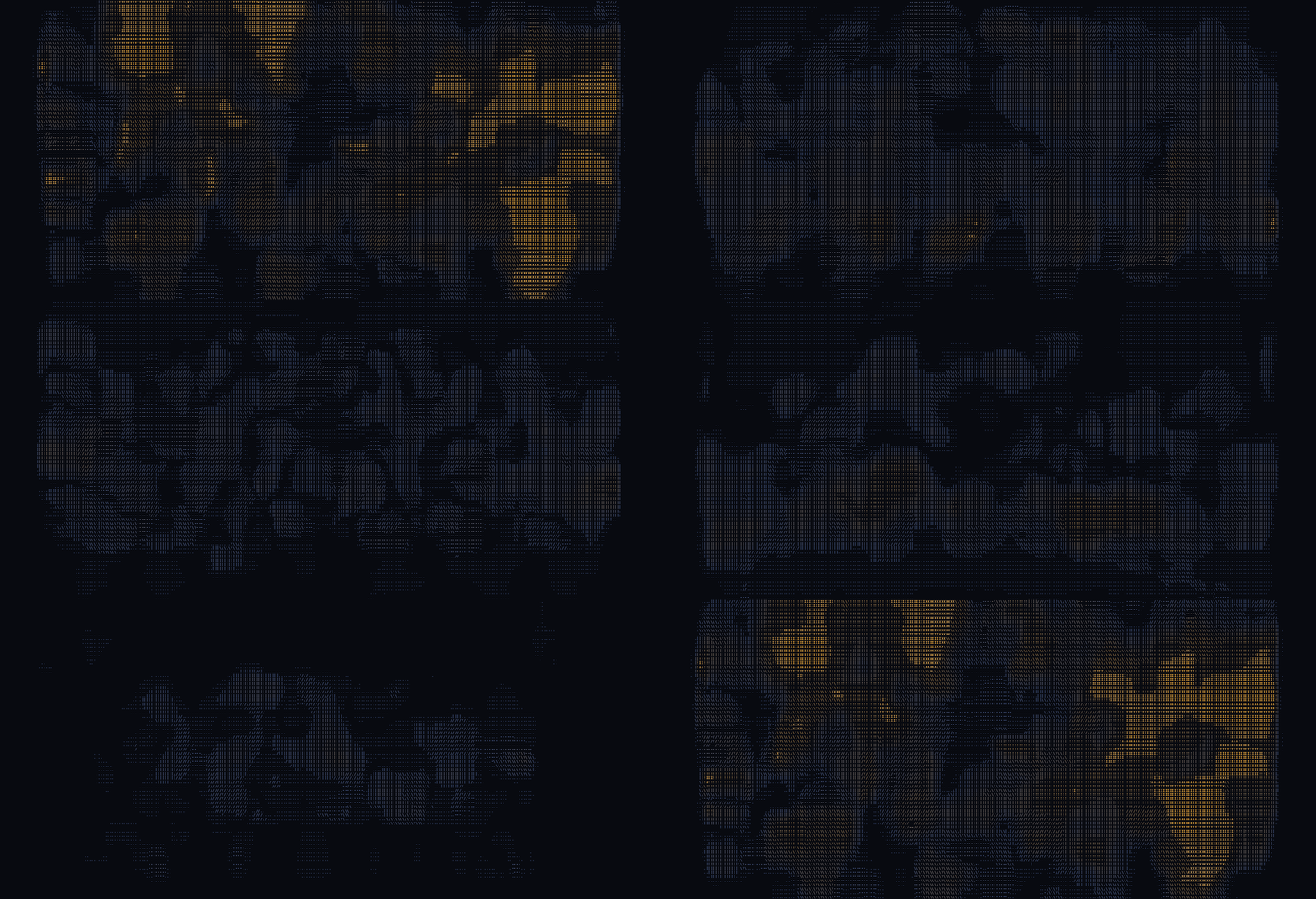
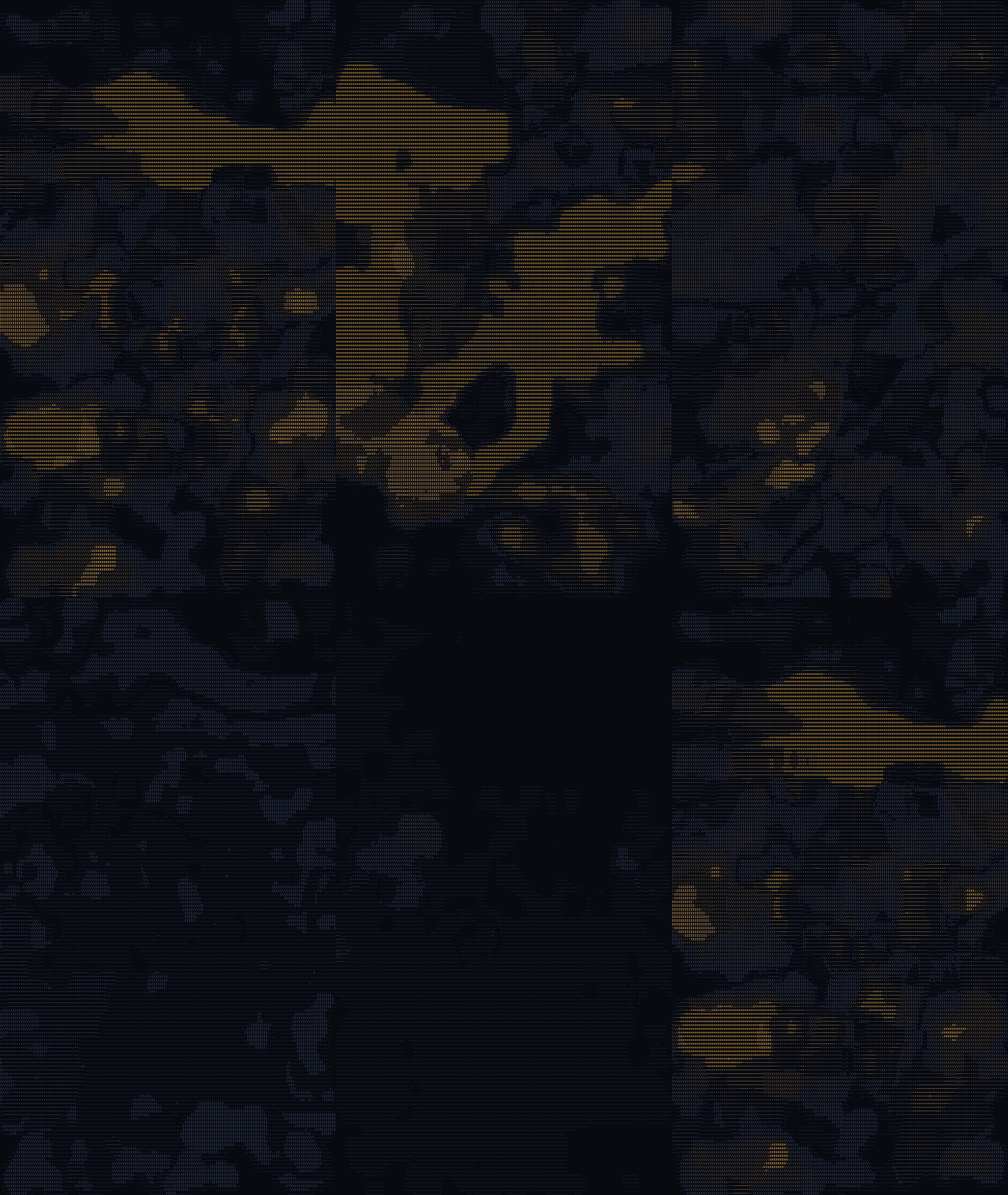
KinoGlyph has three rendering modes: hybrid (brightness backbone with motion-driven color and density), motion (pure motion telemetry, no source content visible), and brightness (classic ASCII-art rendering of brightness with motion modulating intensity). The gallery below shows two series of loops, each made from its own source video. Most are in motion mode.
The facts.
Role
Design and build, solo.
Year
2026
Stack
Python · OpenCV · a Claude Code skill · a Mac app in Swift and Metal
Shipped
Yes · usable today
Status
Shipped · Gallery growing · Mac app in progress